Introduction
Fungal nail infections, medically known as onychomycosis, affect millions of adults worldwide and are one of the most common nail disorders seen in dermatology practices. Unlike a simple cosmetic issue, these infections can cause genuine discomfort, embarrassment, and even pain when left untreated. Understanding how fungal nail infections spread is essential for protecting yourself and those around you, especially if you've already experienced this condition. Whether you're dealing with a current infection or trying to prevent one, knowing the transmission routes and risk factors can help you take meaningful preventive steps. This article explores the science behind fungal nail transmission, the warning signs you should watch for, and practical strategies to keep your nails healthy and infection-free.
Understanding Fungal Nail Infections: Causes and Background
Fungal nail infections occur when microscopic organisms colonize the nail bed, nail plate, or surrounding tissue. Three main types of fungi cause these infections: dermatophytes, non-dermatophyte molds, and yeasts—with dermatophytes accounting for approximately 90% of cases according to clinical dermatology literature. These fungi thrive in warm, moist environments and feed on keratin, the primary structural protein in nails.
The reason how fungal nail infections spread is important to understand relates to their opportunistic nature. Fungi are present virtually everywhere in our environment—in soil, water, shared facilities, and even on healthy skin. The real issue isn't exposure to the fungus itself; it's whether your nails are vulnerable to invasion. Nail infections typically require a combination of factors: direct contact with the fungus, damage to the nail or surrounding skin, and reduced immune function or poor nail health. Risk factors include advancing age, diabetes, weakened immune systems, poor circulation, and prolonged moisture exposure. A 2019 review in the Journal of Fungi found that people over 60 are significantly more susceptible, with infection rates doubling in this age group compared to younger adults.
The infection spreads from the edge of the nail inward, gradually discoloring and thickening the nail plate. This slow progression is why many people don't seek treatment immediately—the changes feel gradual and non-urgent. However, the longer an infection persists, the more established it becomes and the more difficult it becomes to treat. Understanding the biological mechanism behind fungal colonization helps explain why prevention and early intervention are far more effective than waiting for severe symptoms to develop.
Recognizing the Signs and Symptoms
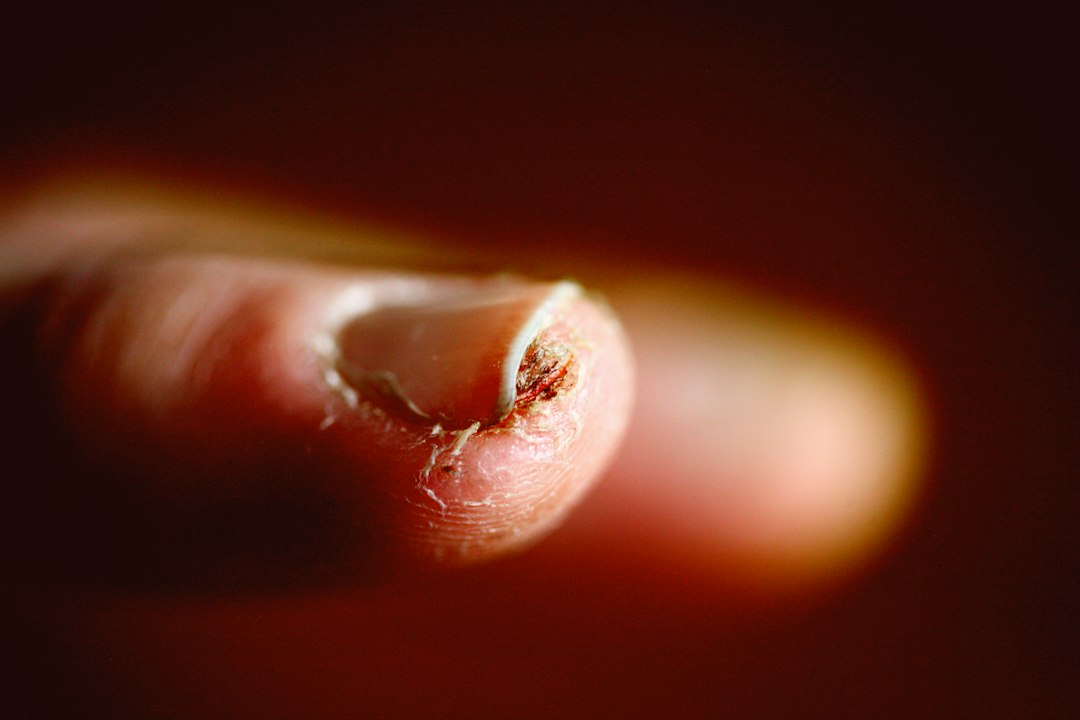
Fungal nail infections don't announce themselves dramatically. Instead, they typically begin with subtle changes that many people initially dismiss as cosmetic concerns. The earliest signs often include discoloration at the edge of the nail—usually white, yellow, or brown spots that gradually expand inward. The nail may also develop a slightly thickened appearance or become brittle and prone to crumbling.
As the infection progresses, the affected nail becomes increasingly thick and distorted. The surface may become rough and develop ridges or a chalky appearance. In some cases, the nail separates partially from the nail bed—a condition called onycholysis—which can feel uncomfortable or even painful, particularly when pressure is applied. Odor is another potential symptom; infected nails sometimes develop a faint musty or unpleasant smell as the fungus produces metabolic byproducts.
One important distinction: fungal infections typically affect one nail initially, though they can spread to adjacent nails over time. If you notice multiple nails becoming discolored simultaneously, consider other potential causes such as psoriasis or a nutritional deficiency. Pain or inflammation around the nail usually indicates a secondary bacterial infection, which requires medical attention. Most fungal infections themselves don't hurt, though the nail may feel uncomfortable due to thickness or separation from the bed.
The timeline matters significantly. If you notice nail changes, early intervention offers the best outcomes. A fungal infection that's been present for just a few weeks responds far better to treatment than one that's been developing for months or years. Many adults delay seeking diagnosis because they assume the issue is purely cosmetic, but fungal nail infections won't resolve on their own—they persist and gradually worsen without intervention.
Impact on Daily Life and Quality
While fungal nail infections might seem like a minor concern, they can significantly affect daily life and emotional wellbeing, particularly in adults who are socially active or concerned about appearance. Many people with fungal nails report feeling self-conscious about showing their feet, limiting their participation in activities like swimming, visiting pools or beaches, or attending social events where feet are visible.
Beyond the emotional impact, fungal infections can create practical challenges. Thickened nails become difficult to trim, sometimes requiring special tools or professional pedicure services. The brittle, crumbling texture can make nail care frustrating and time-consuming. For some people, infected nails catch on clothing or cause minor discomfort in tight shoes. If the infection spreads to multiple nails, the cosmetic impact becomes more noticeable and potentially distressing.
The infection can also complicate other health conditions. People with diabetes need to be particularly cautious, as any nail or skin issue carries increased infection risk. Similarly, those with compromised immune systems may find that a fungal nail infection is harder to clear and more likely to recur. Understanding these broader impacts underscores why prevention and early treatment matter—addressing the infection promptly prevents these lifestyle disruptions and reduces the risk of complications.
Natural Approaches and Lifestyle Prevention Strategies
Preventing fungal nail infections begins with understanding how fungal nail infections spread and creating an environment that's inhospitable to fungal growth. The most straightforward approach is controlling moisture, since fungi thrive in warm, damp conditions. Keep your feet dry, especially between the toes, by thoroughly patting them dry after bathing or swimming. Change out of damp clothes—including sweaty socks—as soon as possible.
Footwear choices significantly influence infection risk. Tight shoes that restrict airflow create the warm, moist environment fungi love. Breathable shoes, moisture-wicking socks, and allowing air circulation around your feet help maintain an unfavorable environment for fungal growth. In public settings like locker rooms, pools, communal showers, and nail salons, wearing protective footwear such as shower shoes or sandals reduces direct contact with surfaces where fungal spores may be present.
Nail hygiene practices also matter. Keep nails trimmed short and filed smooth—damaged nails or those with rough edges are more vulnerable to fungal invasion. Use sterilized nail tools, and never share nail clippers, files, or grooming implements with others. If you use nail salons, ensure they maintain proper sterilization protocols for all tools. Regular inspection of your nails allows you to catch early signs of infection before they become established.
Foot care deserves attention regardless of current infection status. Moisturize dry skin on your feet and heels, as cracks provide entry points for fungal organisms. If you have minor cuts or abrasions on your feet, clean and protect them appropriately. For those with diabetes or circulation issues, meticulous foot care becomes even more critical, as these conditions impair the body's natural defense mechanisms. This is why many adults turn to targeted nutritional support formulas—one such option is KlaroNail, which combines nutrients specifically associated with healthy nail structure and immune function.
Nutritional Support for Nail Health
While preventing exposure to fungal organisms is crucial, supporting your nails' intrinsic health through nutrition is equally important. Several vitamins and minerals directly impact nail strength, structure, and resilience—factors that influence your nails' ability to resist fungal invasion.
Biotin, a B-vitamin, has received considerable research attention for nail health. A 2009 study published in the Journal of Drugs in Dermatology found that biotin supplementation improved nail thickness and brittleness in study participants with fragile nails. Thicker, healthier nails are naturally more resistant to fungal colonization. Zinc supports immune function and is essential for skin and nail tissue repair. A deficiency in zinc impairs the body's ability to fight fungal infections, making supplementation relevant for those with known deficiencies.
Vitamin E acts as an antioxidant, supporting tissue health and reducing inflammation. Selenium works synergistically with vitamin E and supports immune response to infections. B-vitamins collectively support energy metabolism and tissue repair—nail growth requires significant metabolic activity, and nutritional deficiencies can result in weak, vulnerable nail growth.
While no supplement can prevent fungal exposure, ensuring adequate intake of these nutrients supports your nails' baseline health and your immune system's ability to resist infection. A balanced diet rich in protein, whole grains, fruits, and vegetables provides these nutrients naturally. For those unable to meet nutritional needs through diet alone, targeted supplementation addresses these specific nutrient gaps. Adults over 40 should be particularly attentive to nutrient intake, as absorption decreases with age and dietary intake patterns often shift.
Frequently Asked Questions
Can fungal nail infections spread to other parts of my body? Fungal nail infections are primarily localized to the nail and surrounding area. While the fungus lives on your nail, it rarely spreads to skin or other body parts because it has specialized requirements for growth. However, if you have breaks in the skin on your feet or toes, there's a theoretical risk of the fungus spreading to surrounding skin tissue. This is another reason to avoid picking at infected nails or surrounding cuticles.
How long does it take to contract a fungal nail infection after exposure? The timeline varies considerably. Simply being exposed to a fungal organism isn't sufficient to cause infection—your nail must be vulnerable. For someone with healthy nails, exposure rarely results in infection. For others with risk factors, the infection might develop over weeks or months after the initial exposure. This is why identifying your personal risk factors matters more than avoiding any single exposure.
If I have a fungal nail infection, am I contagious to family members? Yes, fungal nail infections can potentially spread to family members through shared surfaces, though transmission isn't guaranteed. Using separate nail care tools, wearing protective footwear in shared bathrooms and showers, and maintaining good hygiene reduces transmission risk. Family members with healthy nails and no risk factors are less likely to contract the infection even with exposure.
Moving Forward With Confidence
Understanding how fungal nail infections spread empowers you to take meaningful preventive action. By controlling moisture, maintaining proper foot hygiene, using sterilized tools, and supporting your nails' health through nutrition and lifestyle choices, you significantly reduce your infection risk. If you currently have a fungal nail infection, early treatment and consistent prevention strategies make a substantial difference in outcomes.
Remember that fungal nail infections are among the most common nail disorders—if you're dealing with one, you're far from alone. The key is moving forward with practical strategies rather than feeling embarrassed or hopeless about the condition. Most infections improve with appropriate care and time.
If you're struggling with fungal nail health or want to strengthen your nails from the inside out, nutritional support can be an important part of your overall strategy. Learn more about KlaroNail and the nutrients it provides to support healthy nail function. Combined with the lifestyle practices outlined in this article, a comprehensive approach gives you the best chance of maintaining strong, healthy nails.