Introduction
Nail fungus is one of the most common nail conditions affecting adults, yet many people don't realize how easily it spreads from person to person through everyday items. If you've ever wondered how does nail fungus spread through nail files, you're not alone—this is a question that dermatologists hear frequently from concerned patients. The truth is that contaminated nail tools and files are a primary transmission route for fungal infections, and understanding this mechanism is crucial for preventing both personal reinfection and spreading the infection to family members. Unlike some health conditions that require direct contact to transmit, nail fungus can survive on surfaces and tools for extended periods, making shared grooming supplies a significant risk factor. This article explores the science behind fungal transmission through contaminated nail instruments and offers practical guidance on protecting yourself and others.
How Nail Fungus Spreads Through Contaminated Tools
Nail fungal infections are caused primarily by dermatophytes, yeasts, or non-dermatophyte molds—organisms that thrive in warm, moist environments like those found under fingernails and toenails. When an infected person uses a nail file, clipper, or other grooming tool, microscopic fungal spores and fragments remain embedded in the tool's surface. These spores are remarkably resilient and can remain viable for months, even in dry conditions. A 2019 study published in the Journal of Dermatological Treatment found that fungal organisms could survive on metal and plastic surfaces for up to six months, meaning a contaminated file poses a risk long after initial exposure.
The transmission process is straightforward: when a non-infected person uses the same contaminated file or tool, microscopic breaks in the nail surface—often invisible to the naked eye—provide entry points for the fungus. These tiny abrasions occur naturally from daily activities, filing, or minor trauma. The fungus doesn't need a large wound to establish an infection; it simply needs access to the nail plate and the right conditions to multiply. Professional nail salons represent a common transmission point, which is why the Centers for Disease Control and Prevention emphasizes proper sterilization protocols in these settings. However, home environments pose equal risk when family members share personal grooming tools.
Temperature and humidity dramatically influence how long fungal spores remain viable on nail files. Fungal organisms prefer temperatures between 68 and 77 degrees Fahrenheit—essentially room temperature in most homes. If a nail file is stored in a bathroom cabinet, the humid environment actually extends the lifespan of fungal spores. This is why healthcare providers consistently recommend storing nail tools in dry, cool locations and never sharing them, even with close family members.
Recognizing the Signs and Symptoms of Nail Fungus
Fungal nail infections don't appear overnight. The infection develops gradually over weeks or months, and many people don't notice symptoms until the fungus has established a significant presence in the nail. Early signs often include subtle discoloration—typically yellow, brown, or white patches that appear at the edge of the nail or at the base near the cuticle. As the infection progresses, these discolored areas expand and may thicken or become brittle. Some infected nails develop a crumbly texture that worsens over time.
The appearance of an infected nail varies depending on the specific organism causing the infection. Dermatophyte infections often create a pattern of discoloration that spreads from the edge inward, while yeast infections typically begin at the cuticle and spread toward the tip. Non-dermatophyte molds may cause white, superficial spots that don't penetrate deeply into the nail. A 2020 study in Mycoses noted that accurate identification of the fungal type is important because different organisms respond to different treatment approaches.
Beyond visual changes, infected nails may emit an unpleasant odor—a result of bacterial colonization that often accompanies fungal infections. Some people experience mild discomfort or pain, particularly if the nail thickens significantly or begins to separate from the nail bed. However, many infections cause no pain initially, which is why people often delay seeking treatment. By the time symptoms become noticeable enough to prompt medical attention, the infection has usually spread to multiple nails. This is one reason why understanding how nail fungus spreads through nail files and other tools is so important—early prevention through proper tool hygiene can spare you months or years of dealing with a chronic infection.
Impact on Daily Life and Quality of Life
Living with nail fungus affects more than just appearance. Many people report embarrassment about the look of infected nails, leading them to avoid activities like swimming, visiting beaches, or wearing open-toed shoes in public. This social withdrawal can impact mental health and quality of life, particularly for older adults who may already be dealing with other age-related health concerns. The psychological burden of a visible infection shouldn't be underestimated—research published in the Journal of Dermatological Surgery found that patients with fungal nail infections reported anxiety and depression at rates significantly higher than the general population.
The physical impact includes difficulty with daily tasks. Thickened, brittle nails become painful to trim and can make activities like typing, gardening, or playing instruments uncomfortable. Some people develop pain when wearing tight shoes or walking, particularly if the infection affects toenails. If left untreated, severe infections can lead to permanent nail damage or deformity, making the nails unusable for their protective function. Additionally, fungal infections can spread to other nails and potentially to the skin, creating a larger problem that requires more extensive treatment.
From a practical standpoint, treatment typically takes several months to show results, meaning the infection can disrupt your life for an extended period. This is why prevention—including maintaining separate nail tools and understanding how nail fungus spreads through contaminated files—offers significant value.
Natural Approaches and Lifestyle Modifications
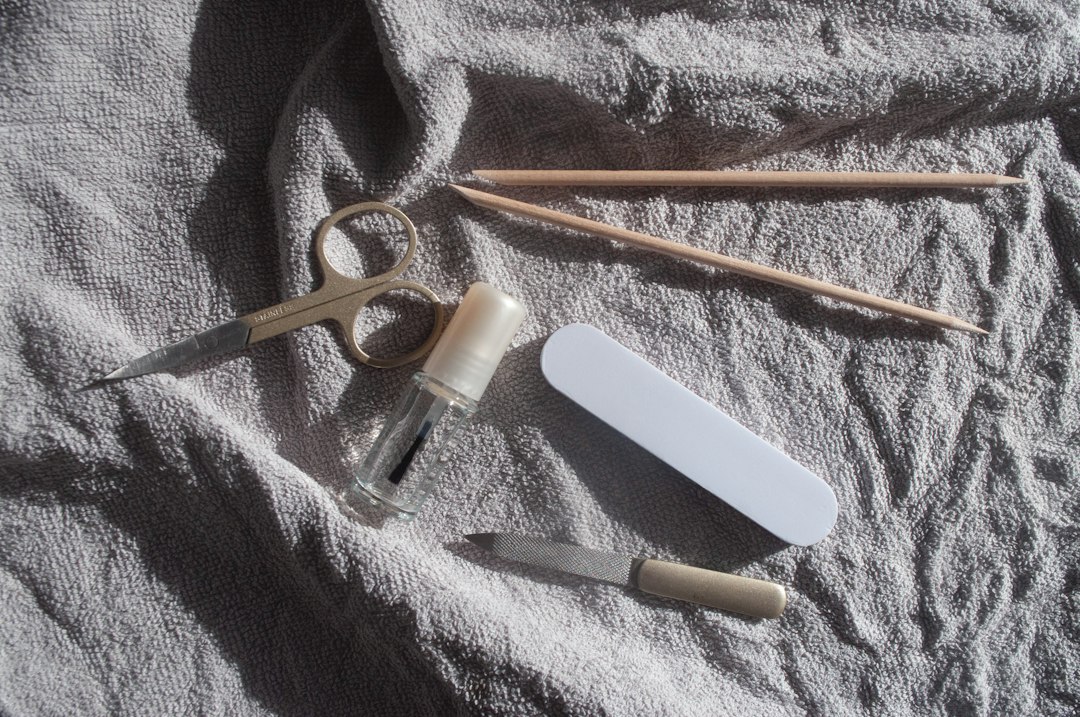
While medical treatments like antifungal medications are effective for many people, several lifestyle modifications and natural approaches can support nail health and reduce infection risk. Keeping nails trimmed short and filed straight across reduces the surface area where fungus can establish itself. Using separate nail care tools for infected and non-infected nails is essential; many dermatologists recommend marking infected tools with tape or keeping them in a separate container to prevent accidental cross-contamination.
Hygiene practices matter considerably. Washing hands and feet daily, keeping nails dry, and avoiding walking barefoot in public areas like locker rooms, pools, and communal bathrooms all reduce exposure to fungal organisms. A 2021 study in Clinical Microbiology Reviews found that people who regularly wore closed shoes in warm, moist environments were significantly more likely to develop nail fungus compared to those who allowed their feet to air dry regularly. This suggests that paying attention to moisture levels is one of the most effective prevention strategies.
Tea tree oil and other natural antifungal substances have gained attention in recent years. While some small studies show promise—particularly when applied topically to early-stage infections—large-scale clinical trials remain limited. If you're interested in exploring natural remedies, discuss them with your healthcare provider first, as some may interact with medications or delay necessary professional treatment.
Vinegar soaks have a long folk history for treating fungal infections. The theory is that the acidic environment inhibits fungal growth, but scientific evidence for this approach is mixed. If you choose to try vinegar soaks, use them as a complementary approach alongside other strategies, not as a replacement for professional care if the infection is severe.
Nutritional Factors and Dietary Support
A growing body of research suggests that nutritional deficiencies may increase susceptibility to fungal infections. B vitamins, particularly biotin (B7) and B12, play crucial roles in maintaining healthy nail structure and supporting the immune system's ability to fight infections. A 2018 study in Dermatology Practical & Conceptual found that patients with fungal nail infections had significantly lower biotin levels compared to age-matched controls without infections. Biotin supports keratin production—the protein that makes up nails—and stronger nails are less susceptible to invasion by fungal organisms.
Zinc is another nutrient with documented importance for immune function and skin health. Research published in Nutrients in 2020 demonstrated that zinc deficiency correlates with increased susceptibility to various fungal infections, including those affecting nails. Older adults, who often have reduced nutrient absorption due to changes in stomach acid production, may be particularly vulnerable to these deficiencies.
Vitamin D also plays a significant role in immune regulation. Several studies have found correlations between low vitamin D levels and increased rates of fungal infections, though the mechanism isn't completely understood. Beyond individual nutrients, overall nutrition supports immune function—adequate protein, antioxidants from colorful vegetables, and healthy fats all contribute to your body's ability to resist and fight fungal colonization. This is why many adults turn to comprehensive nutritional support—one such option is KlaroNail, which combines these key nutrients in one supplement designed to support nail health from within.
Adding foods rich in these nutrients to your diet is straightforward: eggs, salmon, and chicken provide biotin and protein; oysters, beef, and pumpkin seeds supply zinc; and fatty fish or mushrooms exposed to sunlight offer vitamin D. Building these foods into regular meals supports overall nail health and may reduce your infection risk.
Frequently Asked Questions
Can nail fungus spread through nail salons if they don't properly sterilize tools?
Yes, absolutely. This is one of the most common transmission sites for nail fungus. Professional salons should sterilize metal tools in an autoclave and replace files with new ones for each client, since files cannot be effectively sterilized. If your salon reuses files on multiple clients, you're at significant risk. Always ask about their sterilization procedures before getting a manicure or pedicure.
How long can fungal spores survive on a nail file that hasn't been cleaned?
Research indicates that fungal organisms can remain viable on nail files for up to six months, even in dry conditions. This is why dentists and healthcare providers emphasize that nail tools should never be shared, even among family members. A contaminated file in your bathroom cabinet poses a genuine transmission risk throughout this entire period.
If someone in my household has nail fungus, what should I do to protect myself?
Keep all nail care tools separate and clearly marked. Store infected tools in a dedicated container away from shared items. Disinfect bathroom surfaces regularly, avoid sharing towels, and never share shoes or nail files. Ask the infected family member to wash their hands after touching their nails and to keep their nails trimmed short. These measures significantly reduce transmission risk within households.
Taking Control of Your Nail Health
Understanding how nail fungus spreads through contaminated nail files and other grooming tools empowers you to protect yourself and your family. By maintaining separate tools, practicing good hygiene, and supporting your nail health through nutrition and lifestyle choices, you can significantly reduce your infection risk. If you suspect you have a fungal infection, seek evaluation from a healthcare provider promptly—early treatment is far more effective than waiting for the infection to worsen.
Dealing with nail fungus—or concerned about preventing it—can be frustrating, especially when basic hygiene practices alone aren't enough. KlaroNail is a supplement formulated specifically around the nutritional factors that support nail health, combining biotin, zinc, and other key nutrients discussed throughout this article. Learn more about the full ingredient profile and see if it fits your situation.