Introduction
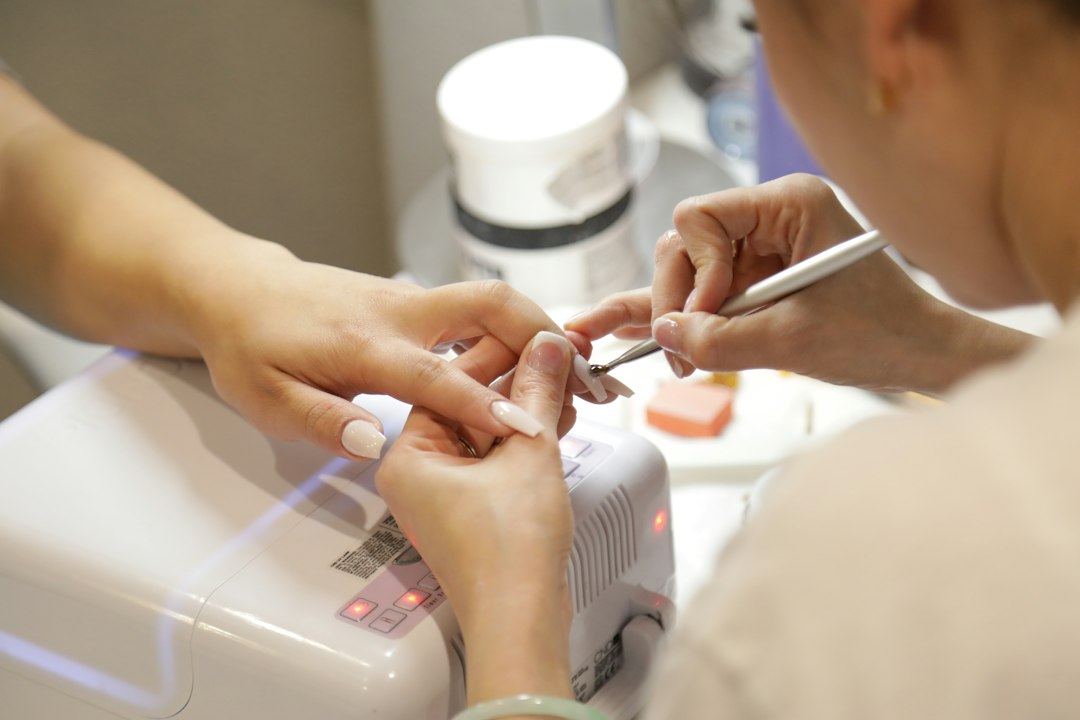
If you enjoy regular visits to the nail salon for manicures and pedicures, you may have wondered whether these places pose a risk for picking up toenail fungus. It's a legitimate concern—nail salons see dozens of clients each day, and tools are often reused. The answer is yes: can you get fungus from nail salon visits? Absolutely. Toenail fungus thrives in warm, moist environments and spreads easily through contaminated tools and surfaces. Understanding how transmission happens at salons, what warning signs to watch for, and how to protect yourself can help you enjoy your nail care routine safely. This guide covers everything you need to know about salon-related fungal infections, including the early symptoms that shouldn't be ignored.
How Nail Salon Environments Enable Fungal Spread
Nail salons provide the perfect breeding ground for fungal infections, simply because of their design and daily operations. Fungal organisms—particularly dermatophytes and yeasts—love warm, humid environments with limited air circulation. Most salons maintain temperatures between 70 and 75 degrees Fahrenheit and use water constantly for soaking, washing, and rinsing nails. This combination creates ideal conditions for fungi to survive and multiply.
The primary transmission route at salons is through tools. Nail files, clippers, buffers, and cuticle pushers come into direct contact with skin and nails throughout the day. Even microscopic cuts—which many people don't notice—provide entry points for fungal spores. If a tool isn't properly sterilized between clients, fungal material can transfer directly from one person's nails to another's.
Pedicure stations present even higher risk than manicure areas because feet spend extended time soaking in shared basins of warm water. A 2019 study published in the Journal of the American Podiatric Medical Association found that water samples from pedicure tubs frequently contained fungi capable of causing nail and skin infections. Additionally, foot files and pumice stones—often left in the salon between uses or rinsed only with water—can harbor fungal spores for weeks. Floors and footrests also collect shed skin cells and fungal material, so walking barefoot in these spaces increases exposure risk significantly.
Warning Signs of Salon-Acquired Toenail Fungus
Knowing what to watch for after a salon visit is crucial for early detection. Toenail fungal infections rarely develop overnight; symptoms typically appear two to four weeks after initial exposure, though sometimes longer. Early recognition can make treatment easier and prevent the infection from spreading to multiple nails or to other family members.
The first noticeable sign is usually a small discolored spot on the nail—typically white, yellow, or brown—that appears at the edge or tip of the nail. This spot may look like dirt initially, but it won't wash away. As the infection progresses, discoloration spreads toward the nail base and may cover the entire nail. The nail surface often becomes rough, crumbly, or chalky in texture rather than smooth and glossy.
Other warning signs include nail thickening, brittleness that causes the nail to crack or crumble when pressure is applied, and a foul odor coming from the affected nail. Some people experience mild pain or discomfort, especially if debris accumulates under the nail. The surrounding skin may become slightly inflamed, red, or itchy. It's important to note that can you get fungus from nail salon visits doesn't mean every visit results in infection—your immune system and skin barrier play important roles. However, if you notice any of these symptoms appearing within weeks after a salon visit, especially if you haven't visited before and suddenly develop symptoms, salon exposure may be the culprit.
Don't wait for symptoms to spread before taking action. Many people assume a small discolored spot isn't serious and delay seeking advice, allowing the fungus to establish more firmly in the nail plate.
The Impact of Toenail Fungus on Daily Life and Long-Term Health
Beyond cosmetic concerns, toenail fungus can significantly affect quality of life, particularly for adults over 40. As we age, immune function naturally declines, making fungal infections more likely to develop and harder to eliminate. The psychological impact shouldn't be underestimated either—many people feel self-conscious about wearing sandals or going barefoot, limiting their activities and social engagement.
Physically, advanced fungal infections cause real problems. Thickened, brittle nails become painful to trim and can catch on socks or shoes, causing discomfort with each step. The nail debris accumulating under the nail plate can cause the nail to lift away from the nail bed, creating space where bacteria can colonize, potentially leading to secondary bacterial infections. Some people develop difficulty walking normally if multiple toenails are affected simultaneously.
For individuals with diabetes or compromised immune systems, toenail fungus poses more serious risks. These populations face higher chances of the infection spreading to surrounding tissue or developing secondary complications. Even in otherwise healthy adults, untreated infections typically don't resolve on their own and tend to spread to adjacent nails over months or years. The fungus can also transfer to fingernails through hand contact or to other family members through shared towels, nail tools, or bathing surfaces. This is why prompt attention to early symptoms matters greatly, and why preventing salon-acquired infections in the first place through careful nail salon selection and hygiene practices is so important.
Natural Approaches and Prevention Strategies
While professional treatment is often necessary for established infections, preventive measures and supportive lifestyle approaches can reduce your risk significantly. The best defense starts with choosing reputable nail salons. Look for facilities with proper licensing, visible sterilization equipment (an autoclave), and staff who actually use it between clients. Ask specific questions: Do they sterilize tools in an autoclave, or only use disinfectant solutions? How often do they replace pedicure water? Reputable salons welcome these questions because they take hygiene seriously.
If you notice a salon doesn't follow obvious sanitation practices, take your business elsewhere. Bringing your own tools to the salon—sterile nail files, buffers, and clippers—eliminates the tool transmission route entirely. Many salons now accommodate this practice because it protects their reputation.
Practical habits reduce infection risk considerably. Always wear protective footwear—flip-flops or shower shoes—in pedicure areas and never go barefoot. Dry your feet thoroughly after any water exposure at the salon; fungi thrive in moisture. At home, maintain good foot hygiene by washing feet daily with soap and water and drying completely, especially between toes and under nails. Keep toenails trimmed short and filed smoothly rather than left long or jagged. Long nails collect more debris and create better hiding spots for fungal spores.
Avoid artificial nails if you're prone to fungal infections; the glues and materials trap moisture against the nail bed. If your nails are already compromised from a salon visit, avoid further salon exposure until the infection is resolved. Nail salons may refuse service to clients with visible fungal infections anyway—both for the client's benefit and to prevent spread to other customers. This is a good sign they take sanitation seriously.
Nutritional Support and Dietary Considerations
While no supplement can cure an existing fungal infection, certain nutrients support nail health and immune function, potentially reducing your susceptibility to infection. Biotin, a B-vitamin, plays a structural role in nail keratin. Research published in the Journal of Drugs in Dermatology found that biotin supplementation improved nail thickness and reduced splitting and peeling. Stronger, healthier nails provide better protection against fungal invasion in the first place.
Zinc is critical for immune function and wound healing. Deficiency in zinc impairs your skin's ability to maintain its protective barrier and weakens immune response to fungal pathogens. A 2020 study in Nutrients highlighted that adequate zinc status correlates with better outcomes in treating fungal infections. Many adults over 40 have suboptimal zinc intake, particularly if they avoid red meat or shellfish where zinc is most bioavailable.
Vitamin D supports both immune regulation and skin barrier integrity. Lower vitamin D levels, common in winter months or among those who spend limited time outdoors, are associated with increased susceptibility to infections. Selenium and copper also contribute to antioxidant defense systems that support immune function. Rather than relying on individual supplements, some people find it helpful to ensure consistent intake of these nutrients through diet or comprehensive formulas. This is why many adults turn to targeted nutritional approaches—one such option is KlaroNail, which combines several of these key nutrients in one supplement designed around factors linked to nail health.
Diet fundamentally impacts immunity and nail resilience. Adequate protein intake matters because nails are made of keratin protein; insufficient protein means slower nail growth and weaker structure. Include omega-3 fatty acids from fish or flaxseed, which reduce inflammation and support skin barrier function. Colorful vegetables and fruits provide antioxidants that support immune cell function. Staying well-hydrated helps maintain skin hydration and supports overall immune efficiency.
Frequently Asked Questions
Q: How long after a salon visit might symptoms appear?
A: Fungal infections typically develop two to four weeks after exposure, though this varies. Some people show symptoms within one to two weeks, while others don't notice anything for six to eight weeks. Fungal spores need time to establish in the nail plate, which grows slowly. If you develop nail symptoms weeks after a salon visit, especially if you visited a new salon, that timing strongly suggests salon transmission.
Q: Can I get a manicure if I've had salon-related fungus before?
A: Yes, but take precautions. Once you've had a fungal infection, you're at higher risk for recurrence. Bring your own sterile tools to the salon, avoid water soaking when possible, and ensure your nails are completely dry before leaving. Consider spacing out manicures to reduce exposure frequency, or transition to at-home nail care using your own sterile tools exclusively.
Q: Are some nail salons genuinely safer than others?
A: Absolutely. Salons with visible autoclaves, professional licensing, staff training in sanitation, and willingness to answer hygiene questions are significantly safer. Upscale salons typically maintain stricter standards than budget options, but price alone doesn't guarantee safety. Ask for recommendations from dermatologists or trusted friends, and observe practices during your first visit before committing to regular service.
Next Steps for Protection
Preventing toenail fungus is far easier than treating it, especially when the infection originates from a salon exposure. By selecting hygienic salons, practicing good foot hygiene at home, and ensuring your nails receive proper nutritional support, you can significantly reduce your risk. If you're concerned about nail health and want to explore comprehensive nutritional support for strong, healthy nails, learn more about KlaroNail and see how its formulation addresses the key nutrients covered in this article.